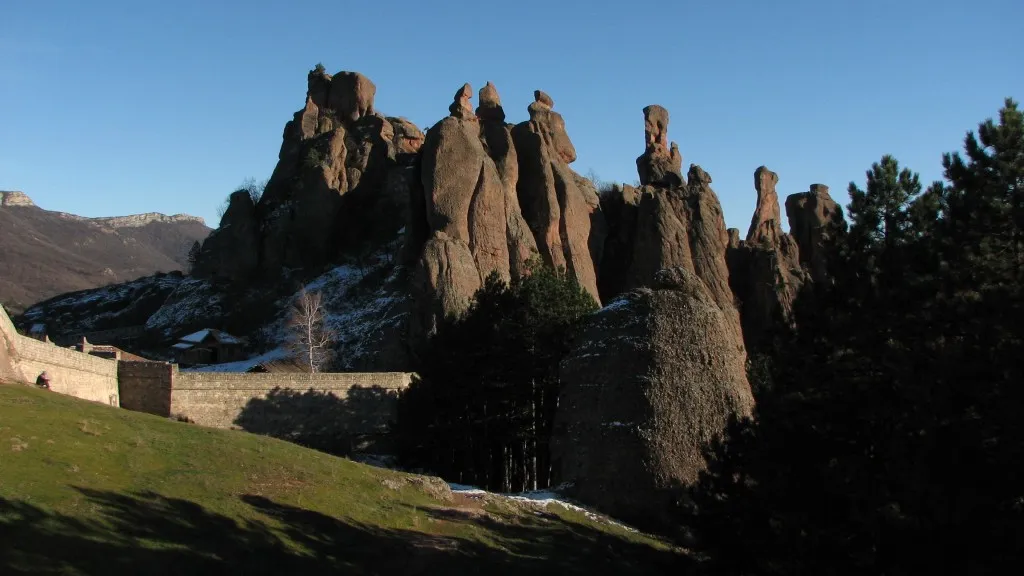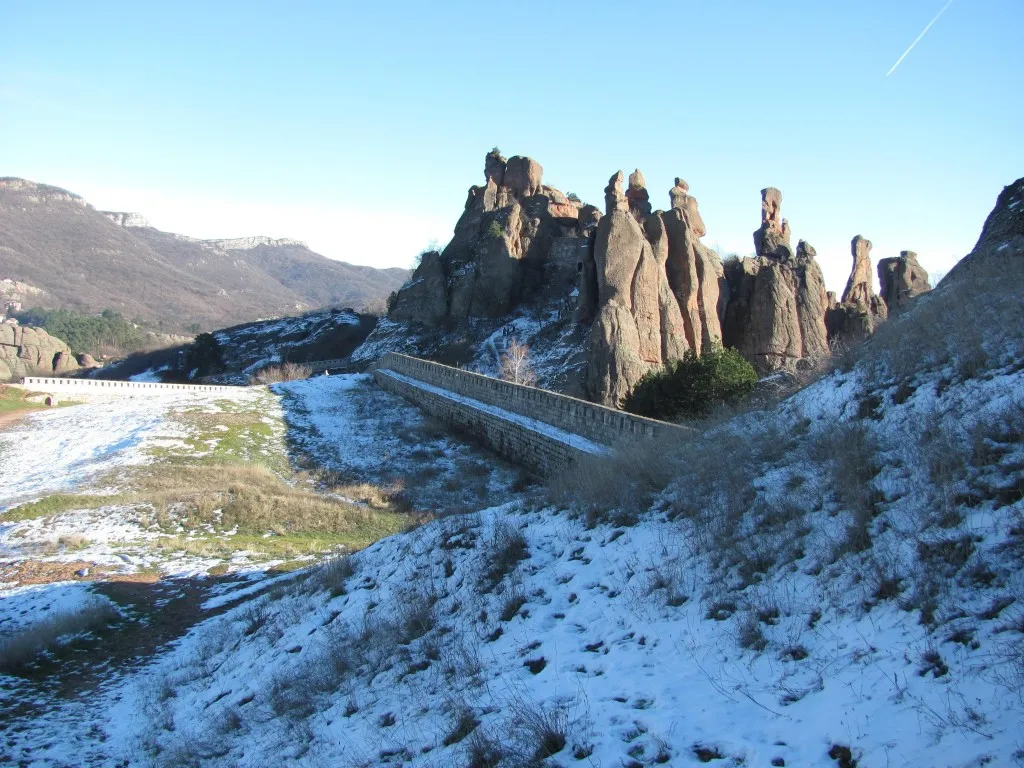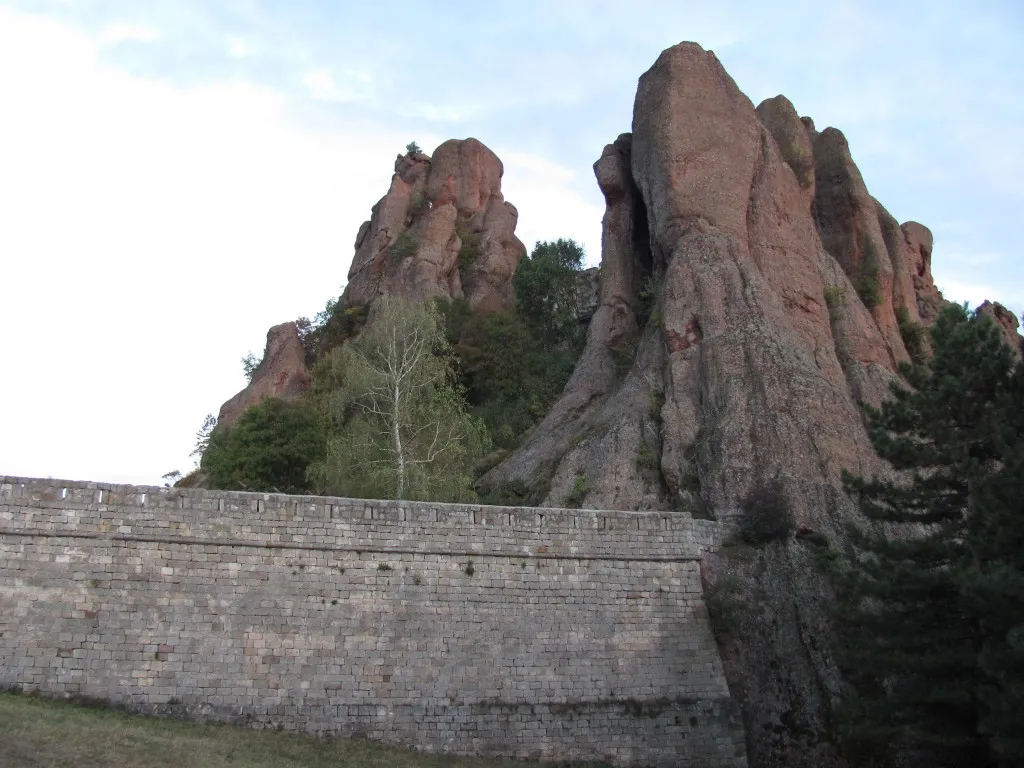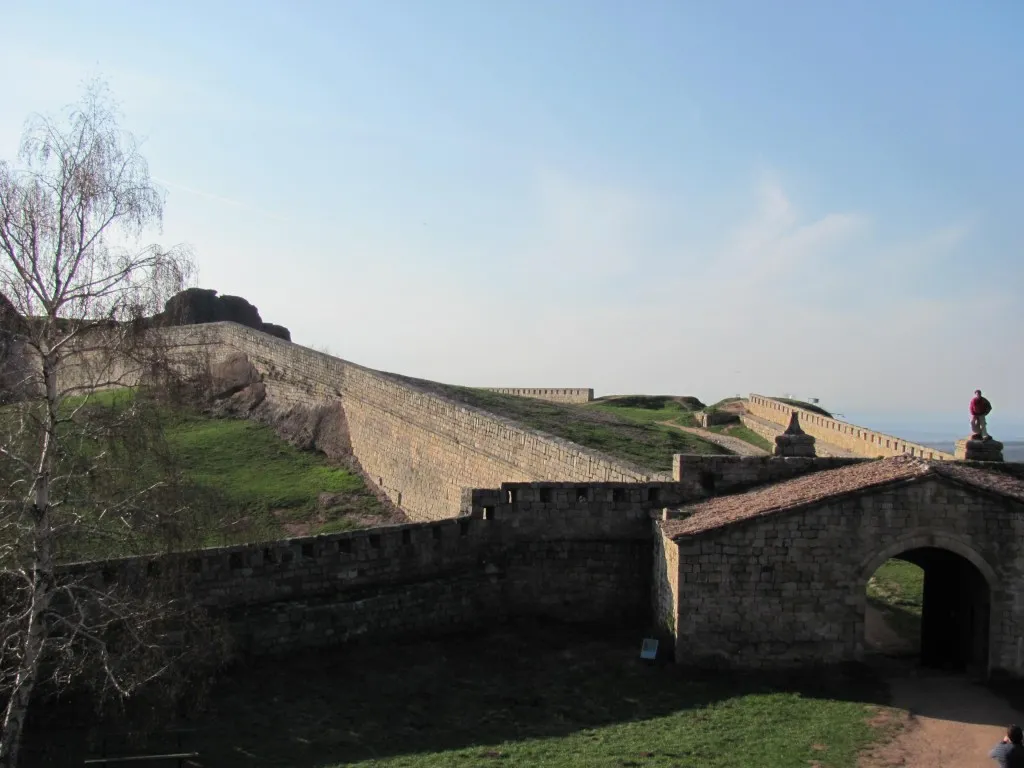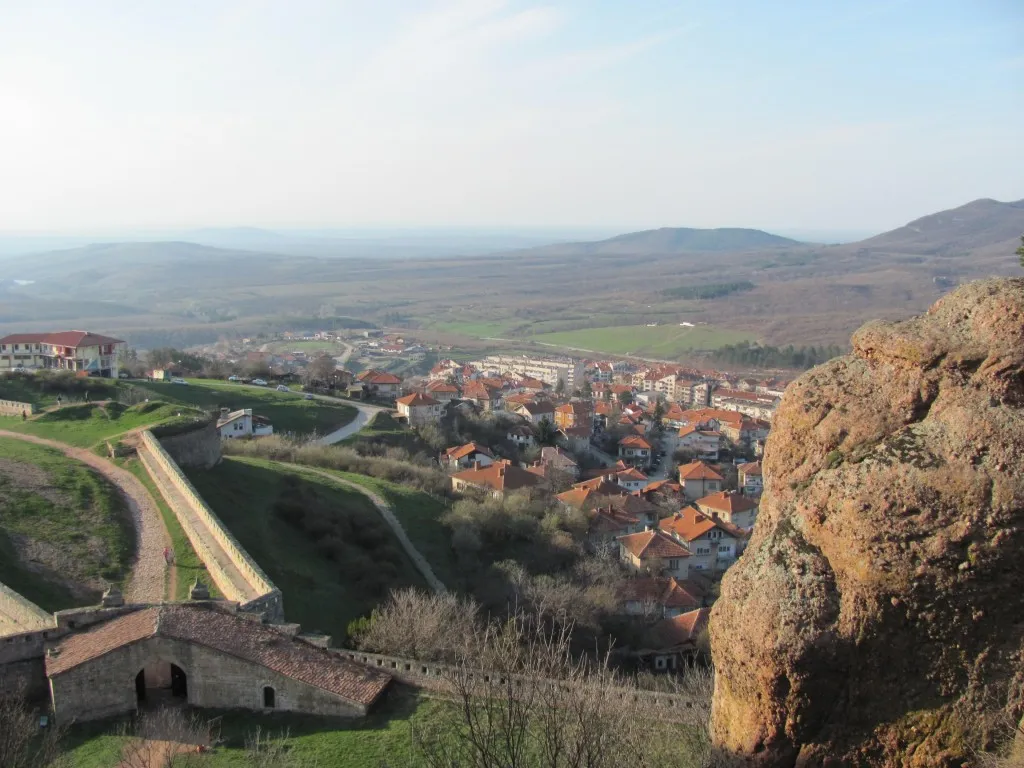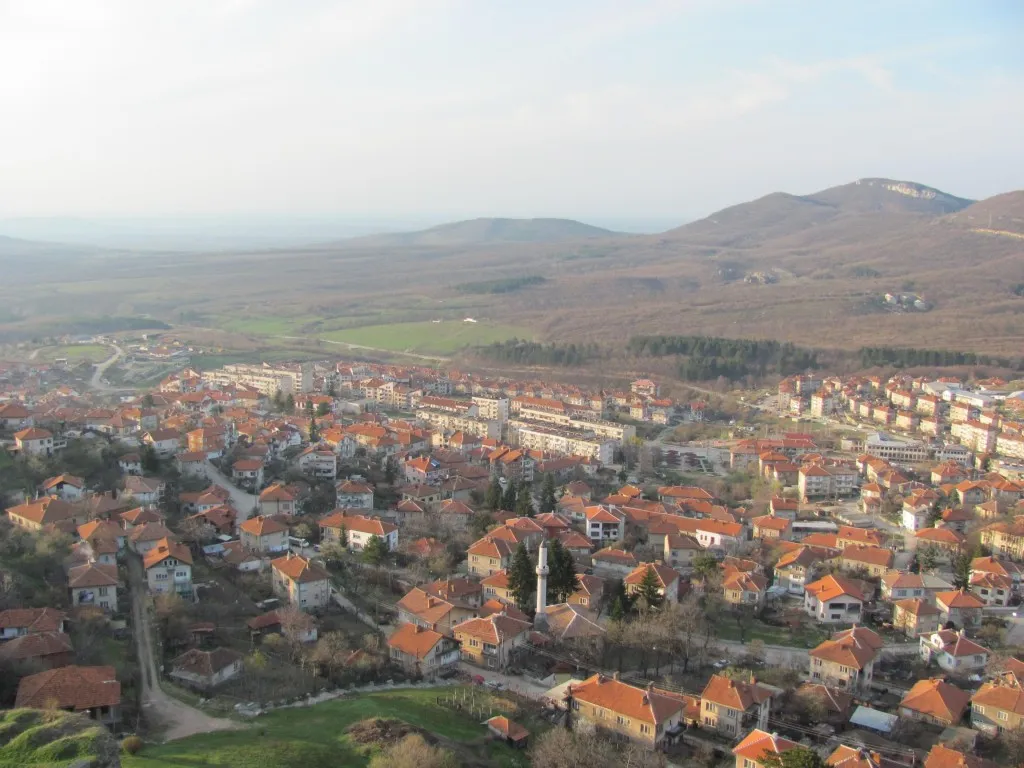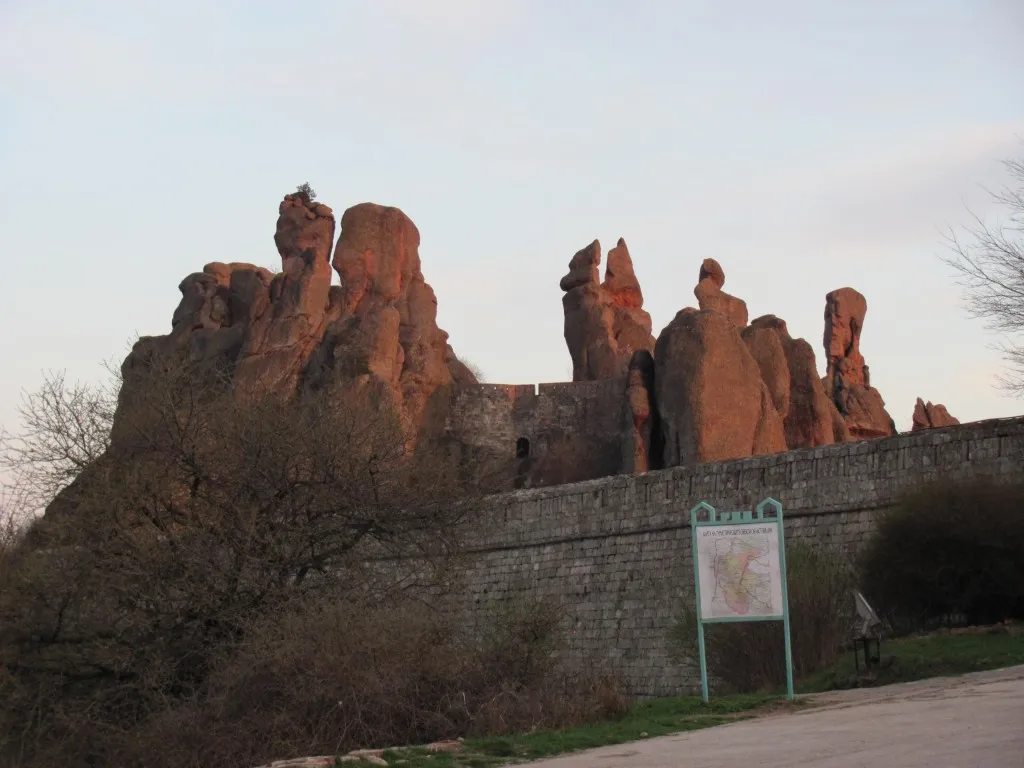
The fortress was built over the centuries and bears the mark of Romans, Byzantines, Bulgarians and Turks. The builders used the rocks as natural walls: only two walls were raised, on the north-west and on the south-east. The other two rock massifs that enclose it are 80 to 100 m high.
From a Roman fort to an Ottoman stronghold
The ancient stronghold was most probably built in the 3rd century, when these lands were within the Roman Empire. The walls were strong: 4–5 m thick at the base and 12–15 m high. The fortress watched and guarded the roads from Ratiaria (today the village of Archar on the Danube) through the Kadaboaz and Sveti Nikola passes of the Balkan Mountains. It was also part of the defence system of Byzantium.
A new period began with the Bulgarian state. In the 14th century, under Tsar Ivan Sratsimir, the old fort was strengthened and extended; Belogradchik was then part of the Tsardom of Vidin, and the fortress was among its strongest.
Later the Turks added further fortifications. The memorial plaques of the building work are in Turkish and in Bulgarian, the only such case among Turkish fortresses. The rebuilding for firearms began in 1805, and the fortress was completed in its present form in 1837, under Sultan Mahmud II.
The uprising of 1850
In 1850 the fortress played a sad part in the defeat of the Belogradchik uprising. After the rebels were beaten in open battle, the leading men of Belogradchik were led out through one of the tunnels of the fortress and beheaded. A monument stands near the place today.
The fortress was last used as a fortification in the Serbo-Bulgarian War of 1885.
What you will see
The fortress has three courtyards, each able to defend itself, and one separate fortification. There are two main gates: Vidin Kapia and Nish Kapia. The walls are 12 m high with loopholes for rifles, and three bastions were built for the cannons.
Inside there were barracks and stores, arsenals, a prison, mills for salt and grain, and four water reservoirs. In wartime the defenders of the fortress and the heights around it numbered up to 3,000.
After a partial restoration the fortress was declared a cultural monument of national importance. It is one of the 100 National Tourist Sites of the Bulgarian Tourist Union.